
With intermodal accounting for almost half of the rail freight traffic in the UK, more container trains may be the last thing the UK network needs. That however is exactly what a new report says. A joint study, by Rail Freight Group and by The UK Major Ports Group, presents the case for more intermodal traffic. The joint study examines decarbonisation of the economy, by developing the use of rail freight at ports, increasing the capacity needed and the benefits such support offers.
Rail Freight Group (RFG), the representative body for the industry in the UK, and The UK Major Ports Group (UKMPG), the trade association representing the operators of almost 200 facilities around Great Britain and Ireland, have jointly published a brochure outlining the challenges and opportunities for the intermodal sector. They say that growing the sector will help the UK achieve net zero carbon emissions, improve air quality and reduce road congestion, improve efficiency of freight transport, and support post- Covid-19 recovery and economic growth.
Constraints need to be addressed
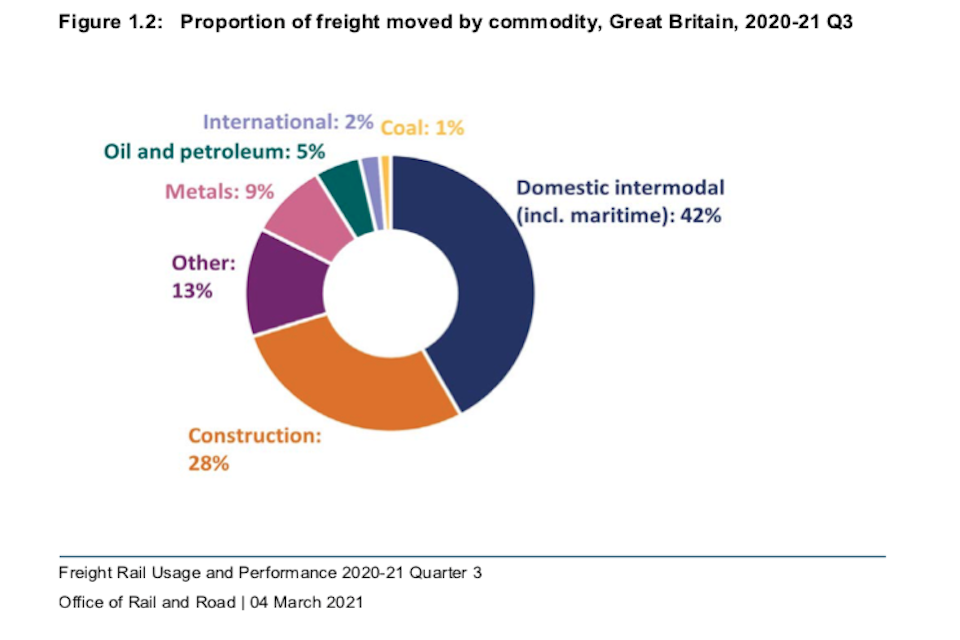
According to the report, UK intermodal rail freight has doubled in the last twenty years. The two bodies agree that one in four containers transported to or from a UK port is carried by rail. “Domestic volumes have also increased as more companies recognise the benefits of using rail to move freight within Britain”, their statement adds. “Port operators have invested heavily in terminals and other facilities to improve productivity and speed up the delivery of import and export containers to customers.”
