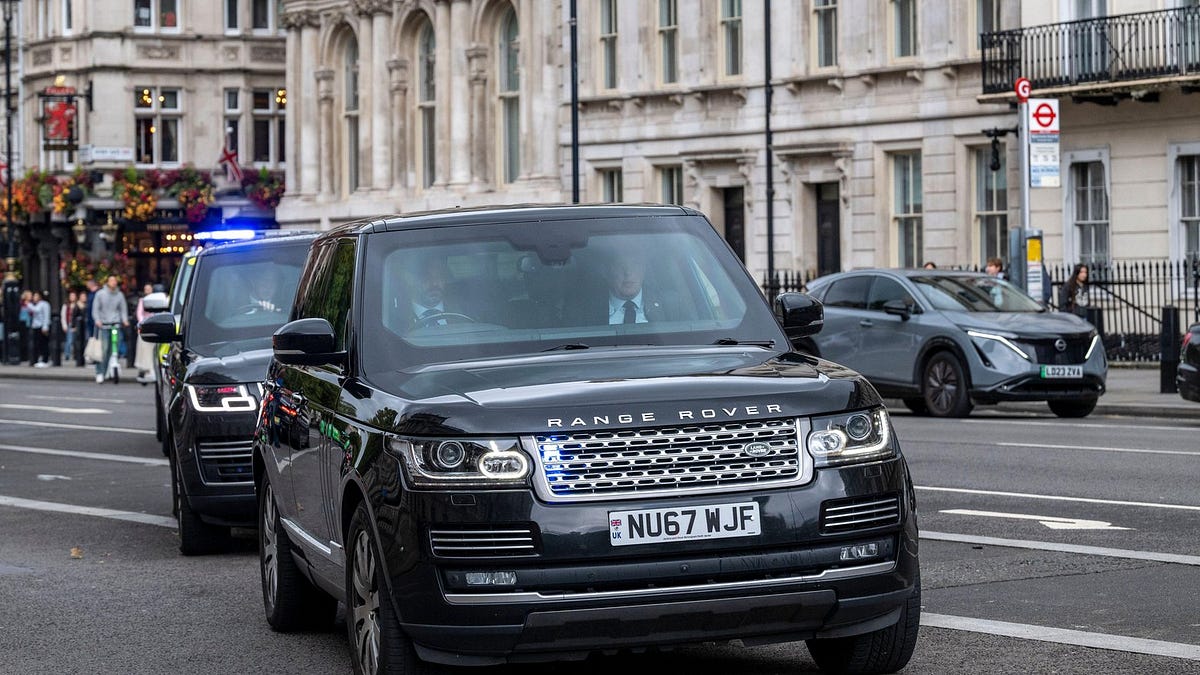
This week, Transport for London released an update on the mayor’s Vision Zero plan to eliminate all deaths and serious injuries from London’s roads by 2041. While the document itself contains a long list of ways to make London’s roads safer (scroll down to read that) the mayor’s team chose to push a particular aspect of it: the potential introduction of a charge on the owners of large cars such as Range Rovers and other SUVs.
The argument goes that larger and heavier cars are simply too wide for London’s parking spaces and too big for its roads. They’re more likely to cause serious injuries or death, with the occupants of the car safer but pedestrians or cyclists in a much worse position.
SUVs are also rapidly growing in popularity, now accounting for two thirds of new car sales in the UK.
But how would an SUV tax actually work?
One problem is that “SUV” – which stands for sports utility vehicle – is more of a marketing term than a set of explicit criteria. TfL would first have to decide exactly which cars would be impacted by a charge. If London defined which size of vehicle counts as an SUV, then that would become the de facto national standard, which could incentivise manufacturers to design vehicles that stay below that level.
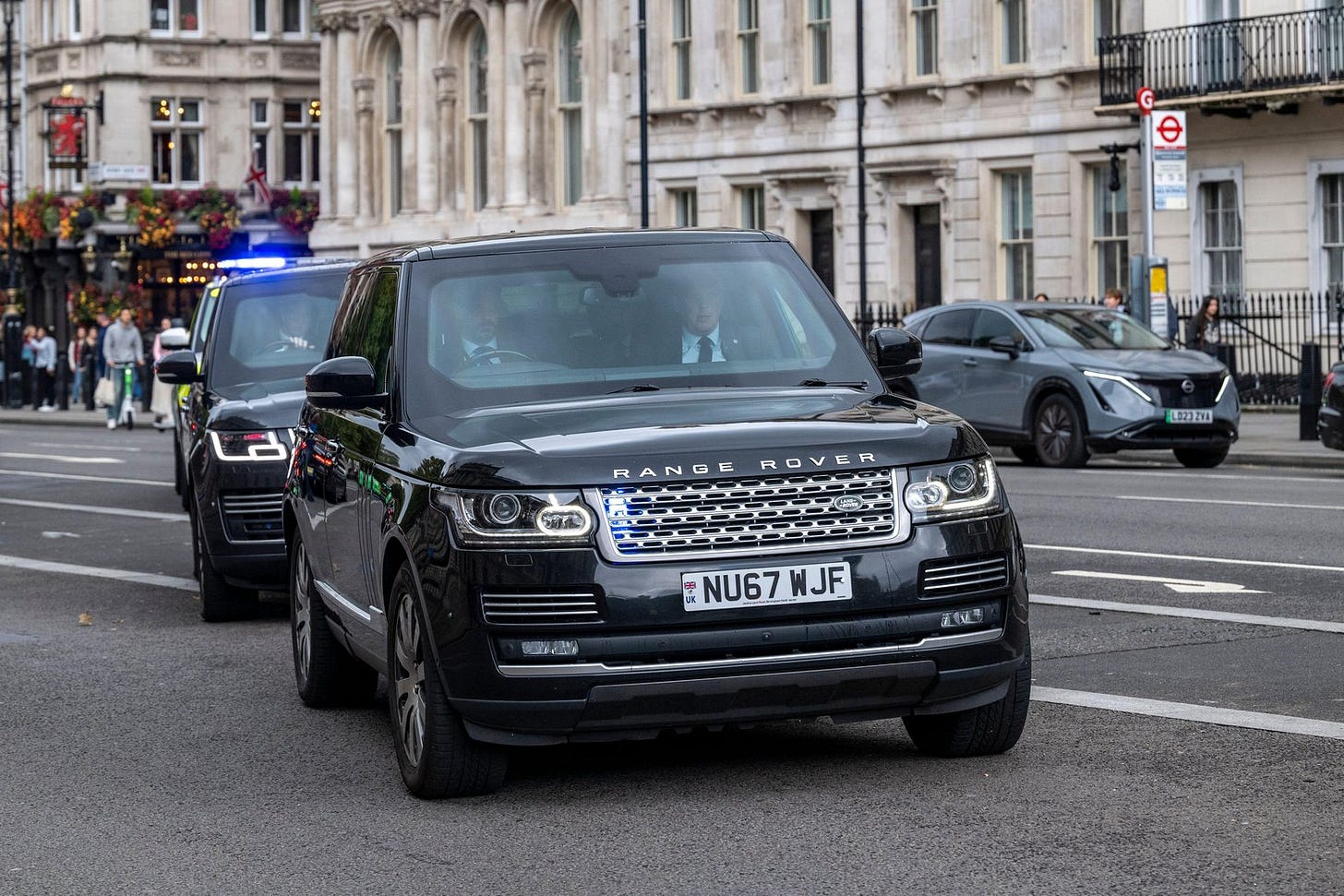
Oliver Lord, of campaigning organisation Clean Cities, said that such measures are usually enforced by taking into account either a car’s physical size or its weight. He said the rapidly increasing height of cars on London’s roads is a “major cause for concern when it comes to visibility of children, and hitting people in their vital organs”.
Reducing SUV use shouldn’t be done by purely punitive measures, he said. It’s also about providing alternatives for people, particularly after the departure of car-sharing company Zipcar from London: “TfL could be doing a lot more to point out that there are alternatives to buying huge cars.”
What are other cities doing?
Similar SUV taxes are usually achieved by charging more for parking. In Paris, fees for parking heavy cars have been tripled. In Cardiff a similar system is being introduced based on a car’s weight, while Bath is looking to charge more for parking based on vehicle size.
But the mayor and Transport for London don’t have London-wide control over parking, which tends to be devolved to the 33 local authorities. (Haringey council has already introduced a small surcharge on cars over four metres in length.)
Instead, this suggests any London-wide system would have to be enforced using TfL’s existing ULEZ and Congestion Charge cameras – if they’ve not been blown up. This system already works to enforce new safety standards on lorries entering Greater London.
What about just taxing all cars?
Fundamentally there’s a political tension at the heart of all of the mayor’s Vision Zero work. As TfL itself puts it in the report, cutting private car usage is “one of the most effective ways to cut road danger”. And the fastest way to reduce private car use is to make it more expensive and annoying to drive a car. Understandably, people who rely on their car or feel they don’t have suitable public transport alternatives, especially in outer London, don’t like the idea of having to pay more for something they see as a necessity.
As London Centric previously revealed, TfL had developed detailed plans to introduce per-mile road charging in London. But these were scrapped ahead of the 2024 mayoral election, amid fears that the policy could hit both Sadiq Khan’s re-election campaign and Labour’s national election campaign. Since then private car usage has continued to creep up in London, in direct contravention of the mayor’s objectives.
What else does the mayor’s Vision Zero report propose?
The report makes 43 commitments to reducing risks on the road, including:
- Making 20mph the default maximum speed in London
- More enforcement against illegal number plates by targeting the use of ghost and cloned plates
- Making it easier for the public to report dangerous driving using footage from dashcams and helmet cameras
- Installing 1,000 new zebra and signal-controlled pedestrian crossings
- Tackling the use of unsafe and non-road-legal e-bikes and e-motorcycles.
- Focusing on making high streets safer, as they are where 46 per cent of all deaths and serious injuries in London occur
This is a reprint of the London Centric article from March 16, 2026, which can be read on their site by clicking on the following:
 Jim Waterson